The Future of Destination Governance in the AI Era
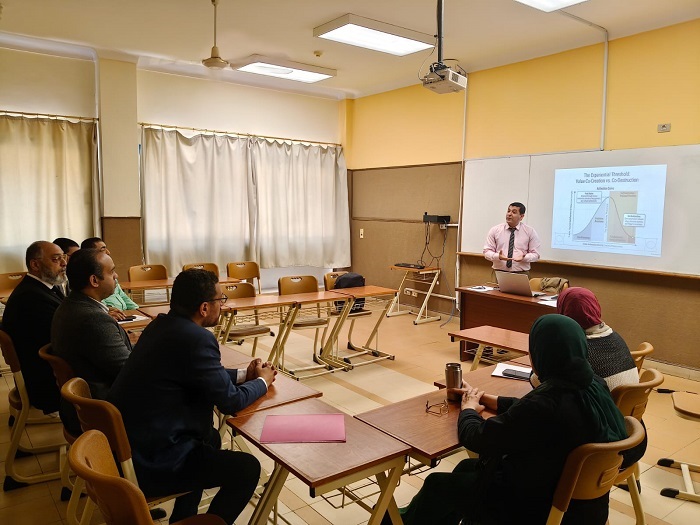
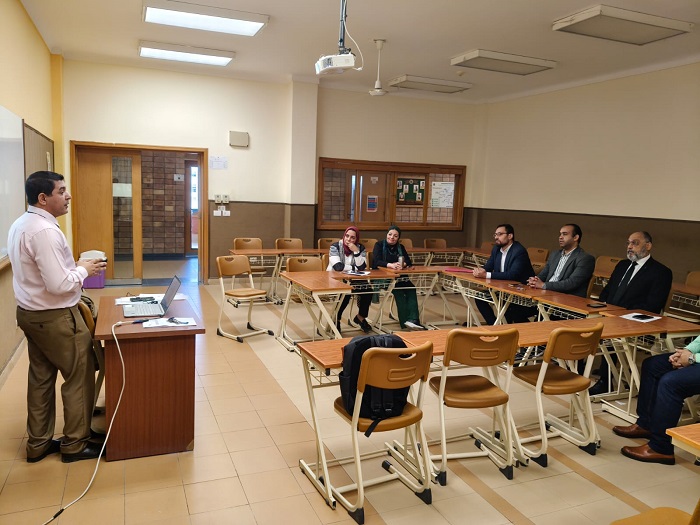
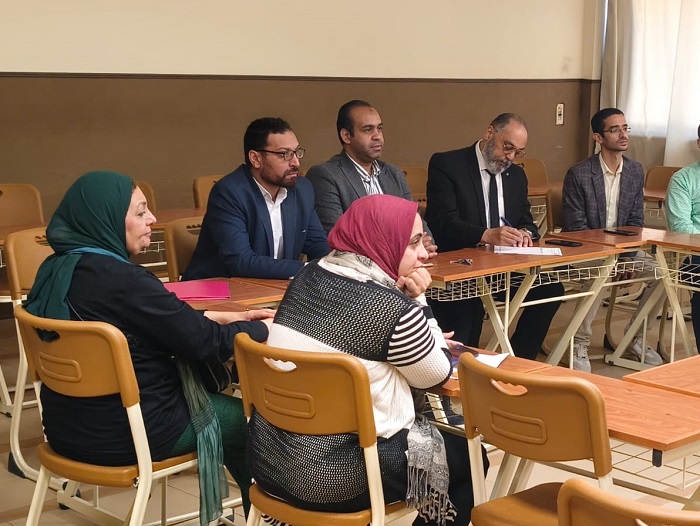
The Postgraduate Studies and Research Committee at PUA’s Faculty of Tourism and Hotel Management, held an extensive research seminar titled: “Should AI-Based Smart Tourism Systems Replace Humans in Destination Management? Sustainability and Governance Perspectives.” The study was developed and presented by Assoc. Prof. Dr. Mahmoud Ahmed Abdel Rauf, in the presence of faculty members, teaching assistants, and the faculty’s administration, continuing the specialized academic activities adopted by the faculty to encourage and spread a culture of scientific research.
The seminar addressed a contemporary and highly vital issue regarding the feasibility of tourism destinations relying entirely on artificial intelligence systems for management, planning, and decision-making. The researcher highlighted the centrality of AI-based smart tourism systems in supporting destination management, citing their high capacity to improve the efficiency of visitor flow management, monitor environmental resources, analyze big data, and support sustainability-related decisions. The research indicated that these systems can contribute to achieving several UN Sustainable Development Goals (SDGs), particularly those concerning sustainable cities and communities, responsible consumption and production, and climate action.
Conversely, the research analyzed a variety of challenges and concerns associated with full automation in managing tourism destinations, led by the risks of diminishing the human role, the potential negative impact on job opportunities, and the quality of hospitality-driven tourism services. Furthermore, it addressed the complexities of transparency and accountability in algorithm-based decisions. The speaker emphasized that destination management is not merely about digital operational efficiency; rather, it demands human and ethical judgment that safeguards the interests of tourists, local communities, and the environment.
The scientific seminar concluded that artificial intelligence should remain a supportive tool for policymakers and professionals in the tourism sector, rather than a total replacement for the human element. It recommended the adoption of flexible governance models based on integration and synergy between humans and AI, ensuring a delicate balance between rapid technological innovation, sustainability, justice, and transparency in managing global tourism destinations.