The Future of Destination Governance in the AI Era

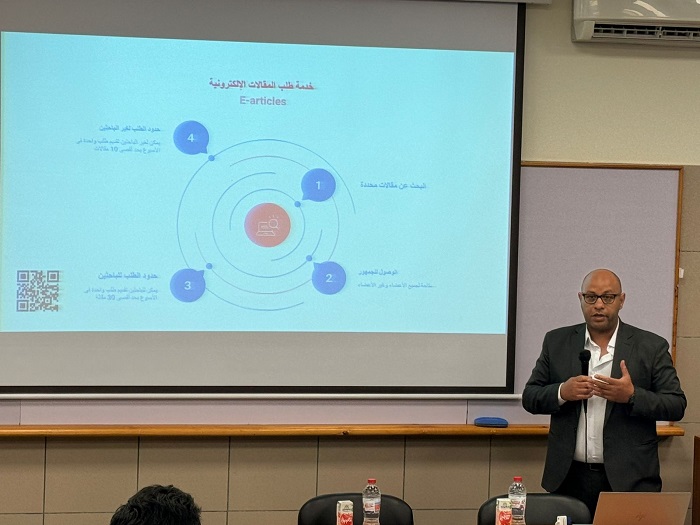
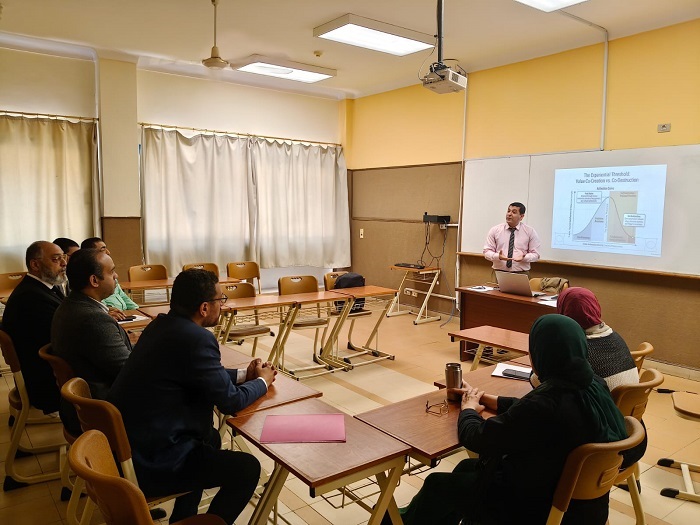
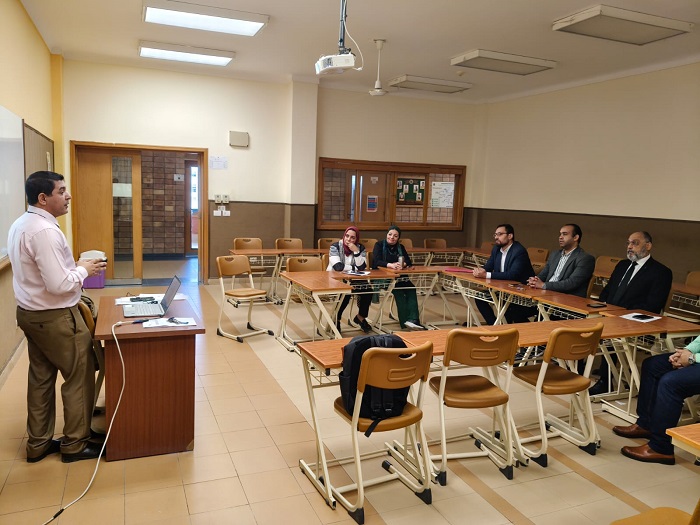
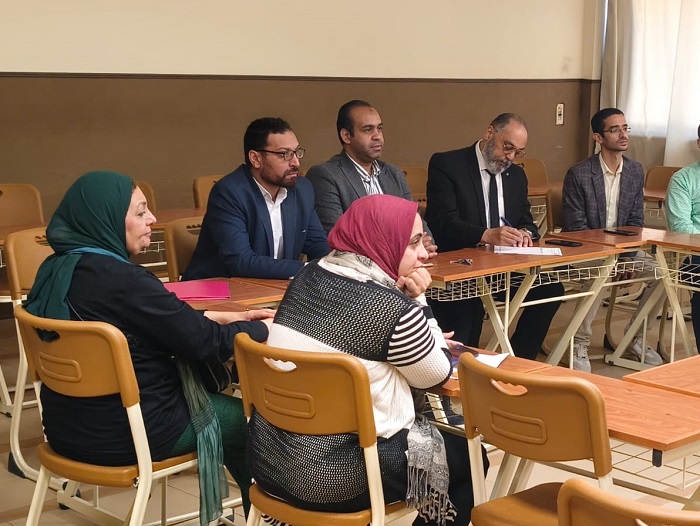
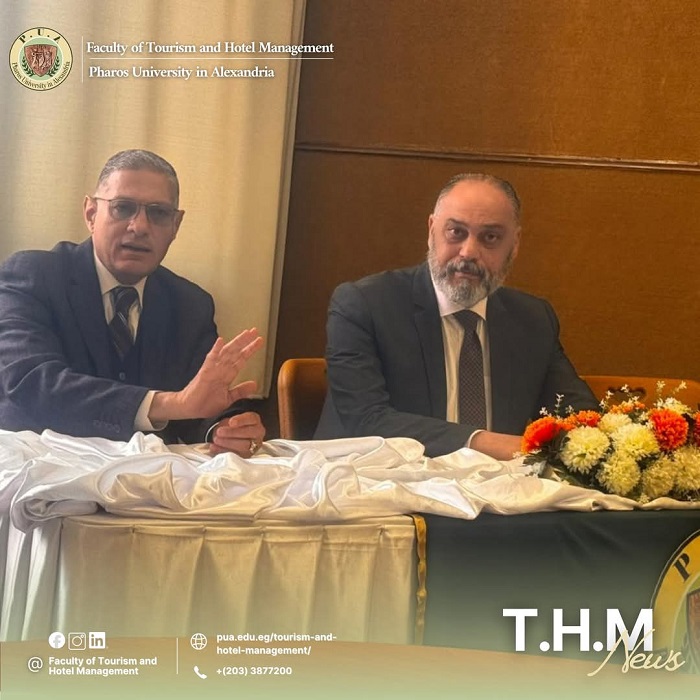
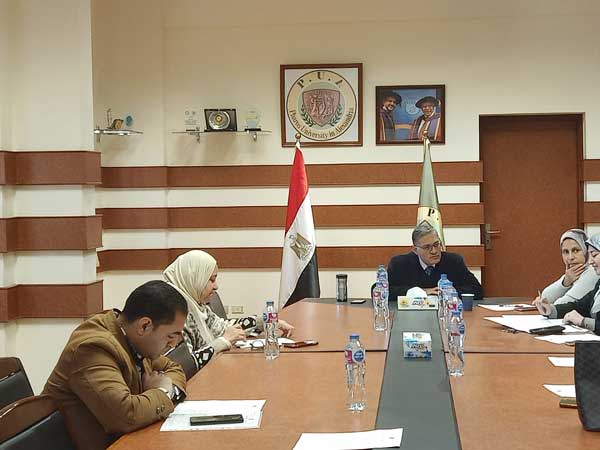
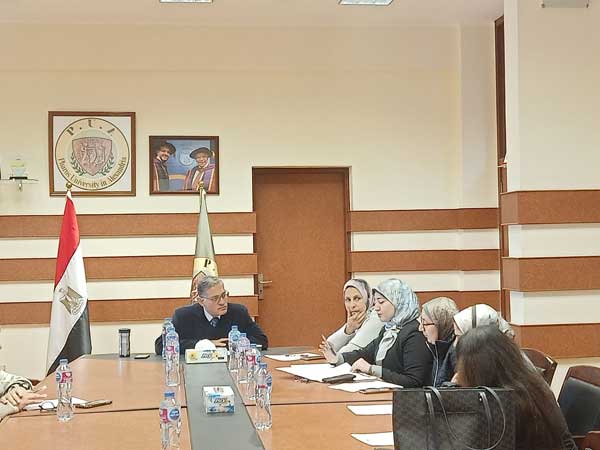
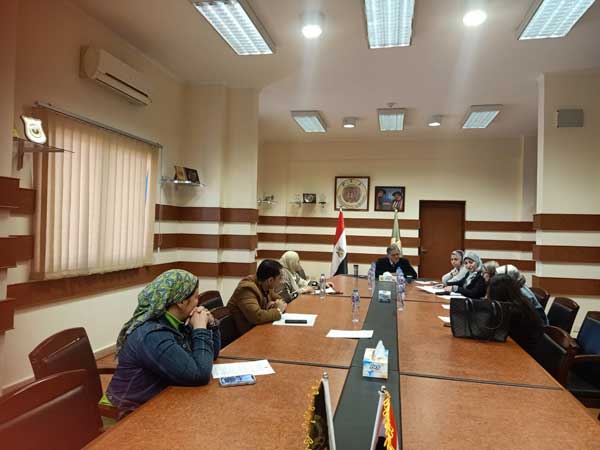
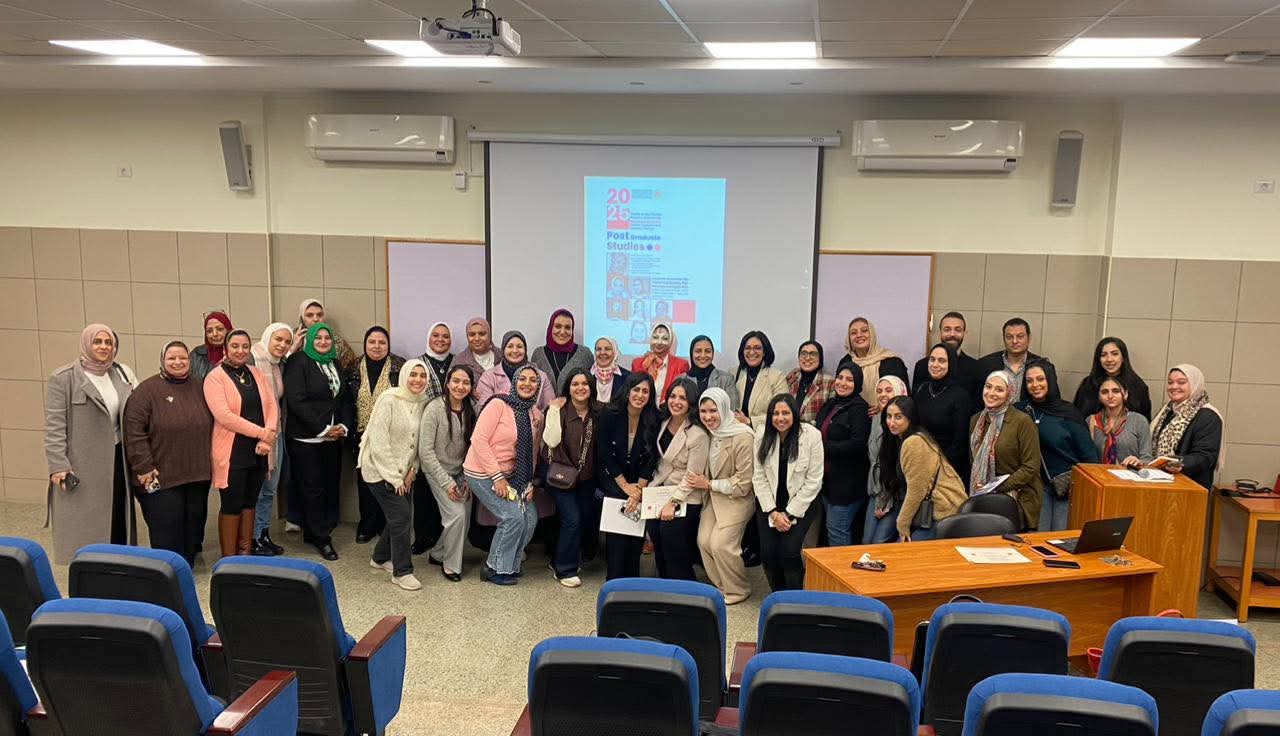
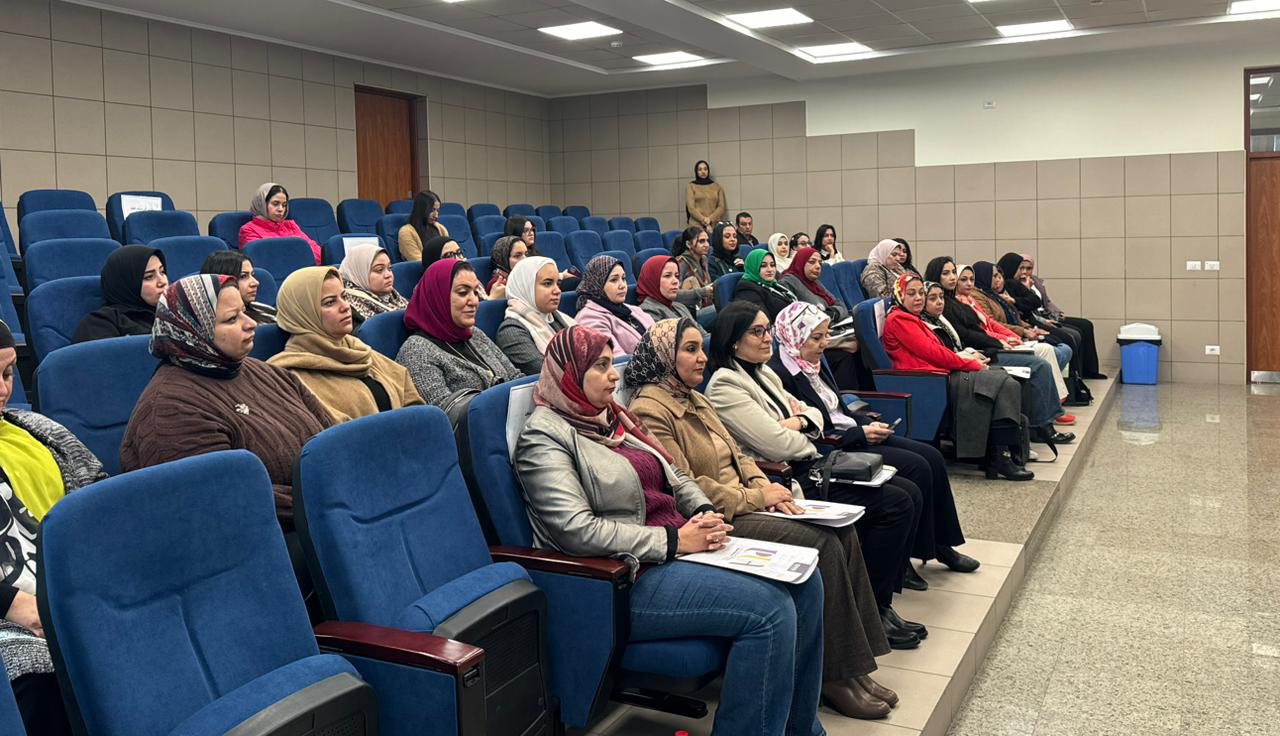
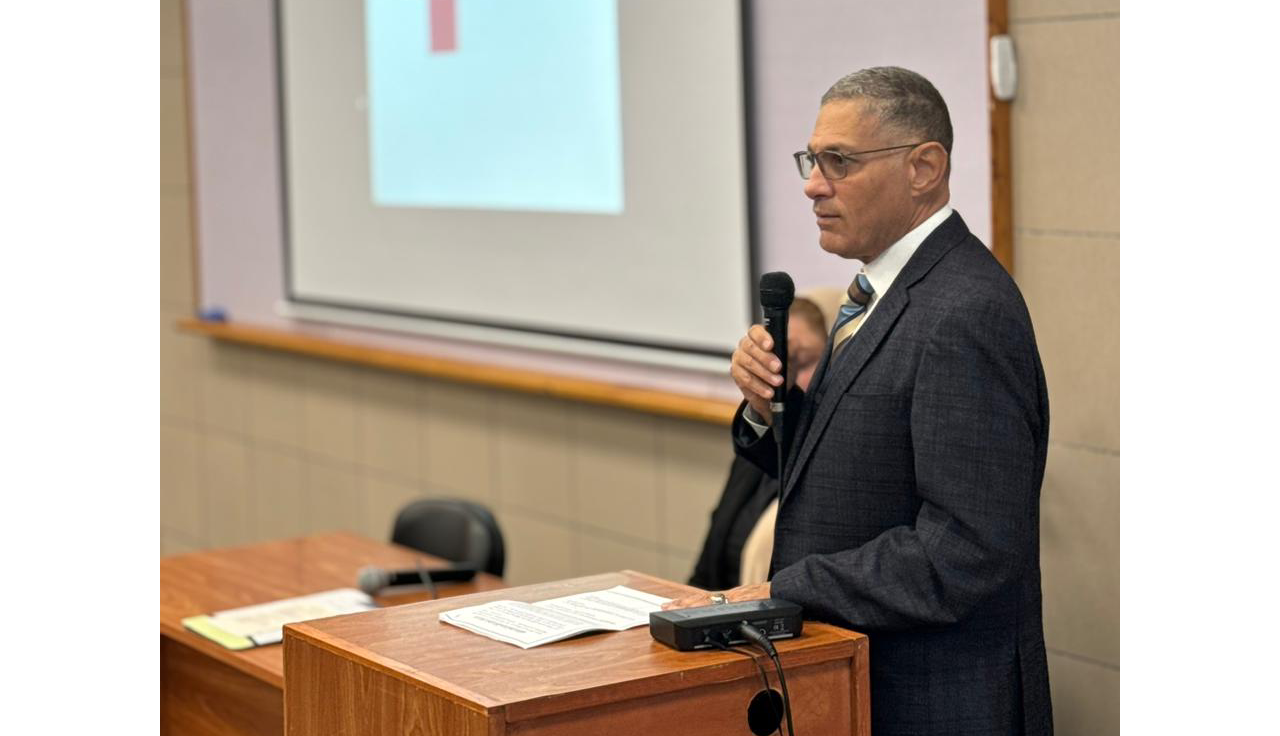
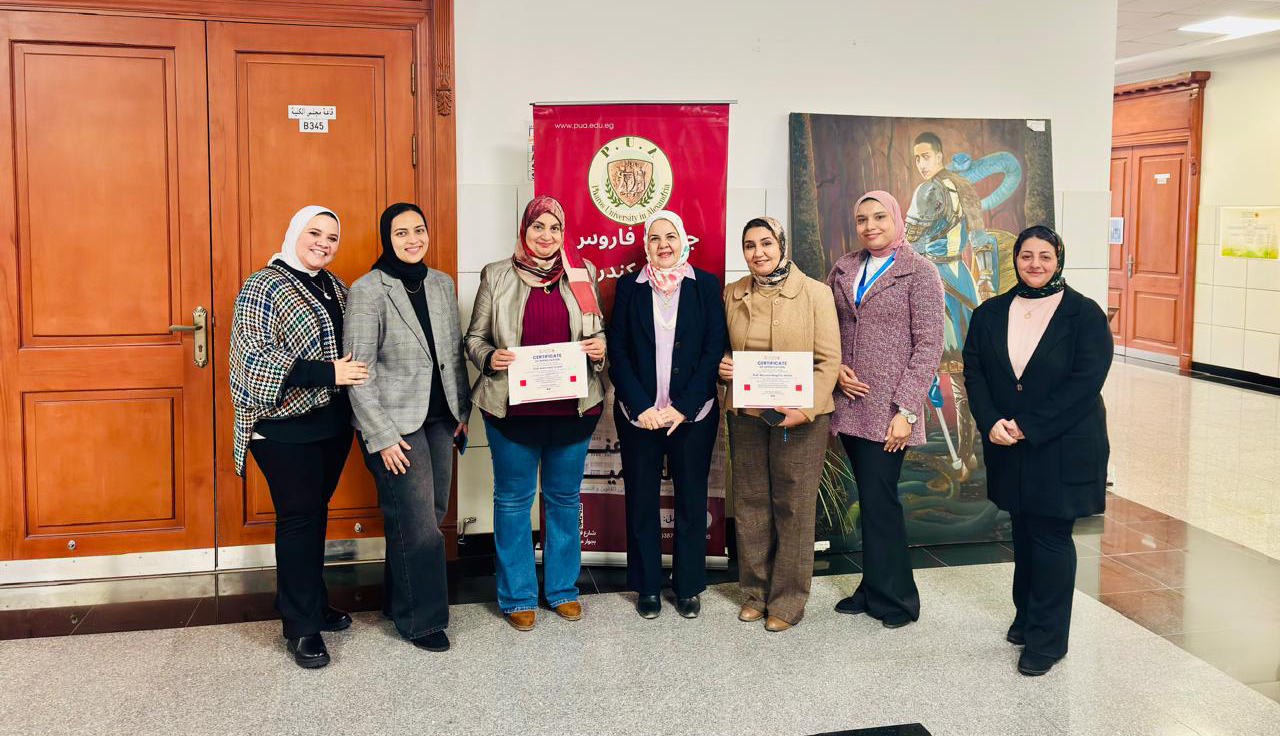
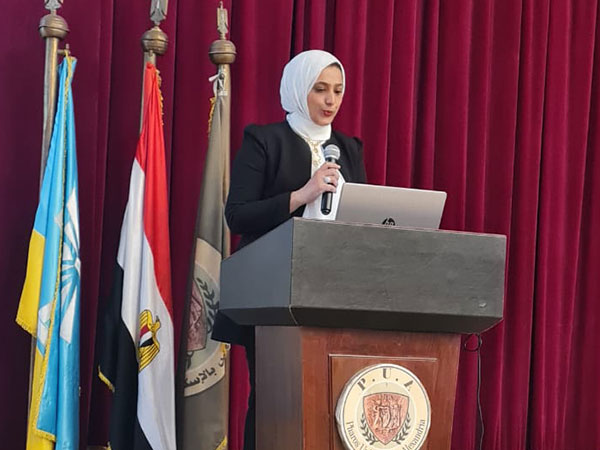
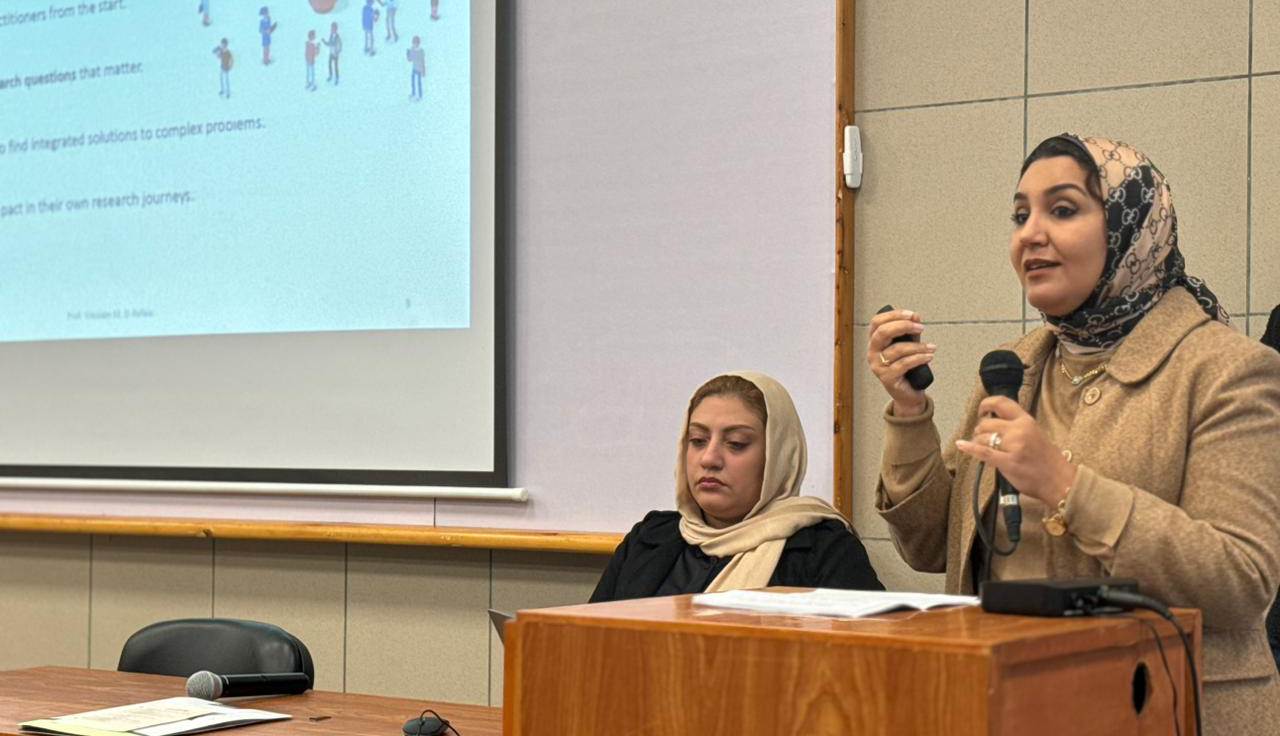
The Postgraduate Studies and Research Committee at PUA’s Faculty of Tourism and Hotel Management, held an extensive research seminar titled: “Should AI-Based Smart Tourism Systems Replace Humans in Destination Management? Sustainability and Governance Perspectives.” The study was developed and presented by Assoc. Prof. Dr. Mahmoud Ahmed Abdel Rauf, in the presence of faculty members, teaching assistants, and the faculty’s administration, continuing the specialized academic activities adopted by the faculty to encourage and spread a culture of scientific research.

The seminar addressed a contemporary and highly vital issue regarding the feasibility of tourism destinations relying entirely on artificial intelligence systems for management, planning, and decision-making. The researcher highlighted the centrality of AI-based smart tourism systems in supporting destination management, citing their high capacity to improve the efficiency of visitor flow management, monitor environmental resources, analyze big data, and support sustainability-related decisions. The research indicated that these systems can contribute to achieving several UN Sustainable Development Goals (SDGs), particularly those concerning sustainable cities and communities, responsible consumption and production, and climate action.

Conversely, the research analyzed a variety of challenges and concerns associated with full automation in managing tourism destinations, led by the risks of diminishing the human role, the potential negative impact on job opportunities, and the quality of hospitality-driven tourism services. Furthermore, it addressed the complexities of transparency and accountability in algorithm-based decisions. The speaker emphasized that destination management is not merely about digital operational efficiency; rather, it demands human and ethical judgment that safeguards the interests of tourists, local communities, and the environment.

The scientific seminar concluded that artificial intelligence should remain a supportive tool for policymakers and professionals in the tourism sector, rather than a total replacement for the human element. It recommended the adoption of flexible governance models based on integration and synergy between humans and AI, ensuring a delicate balance between rapid technological innovation, sustainability, justice, and transparency in managing global tourism destinations.

The Future of Destination Governance in the AI Era

The Postgraduate Studies and Research Committee at PUA’s Faculty of Tourism and Hotel Management, held an extensive research seminar titled: “Should AI-Based Smart Tourism Systems Replace Humans in Destination Management? Sustainability and Governance Perspectives.” The study was developed and presented by Assoc. Prof. Dr. Mahmoud Ahmed Abdel Rauf, in the presence of faculty members, teaching assistants, and the faculty’s administration, continuing the specialized academic activities adopted by the faculty to encourage and spread a culture of scientific research.

The seminar addressed a contemporary and highly vital issue regarding the feasibility of tourism destinations relying entirely on artificial intelligence systems for management, planning, and decision-making. The researcher highlighted the centrality of AI-based smart tourism systems in supporting destination management, citing their high capacity to improve the efficiency of visitor flow management, monitor environmental resources, analyze big data, and support sustainability-related decisions. The research indicated that these systems can contribute to achieving several UN Sustainable Development Goals (SDGs), particularly those concerning sustainable cities and communities, responsible consumption and production, and climate action.

Conversely, the research analyzed a variety of challenges and concerns associated with full automation in managing tourism destinations, led by the risks of diminishing the human role, the potential negative impact on job opportunities, and the quality of hospitality-driven tourism services. Furthermore, it addressed the complexities of transparency and accountability in algorithm-based decisions. The speaker emphasized that destination management is not merely about digital operational efficiency; rather, it demands human and ethical judgment that safeguards the interests of tourists, local communities, and the environment.

The scientific seminar concluded that artificial intelligence should remain a supportive tool for policymakers and professionals in the tourism sector, rather than a total replacement for the human element. It recommended the adoption of flexible governance models based on integration and synergy between humans and AI, ensuring a delicate balance between rapid technological innovation, sustainability, justice, and transparency in managing global tourism destinations.

Digital Documentation of Dispersed Artifacts

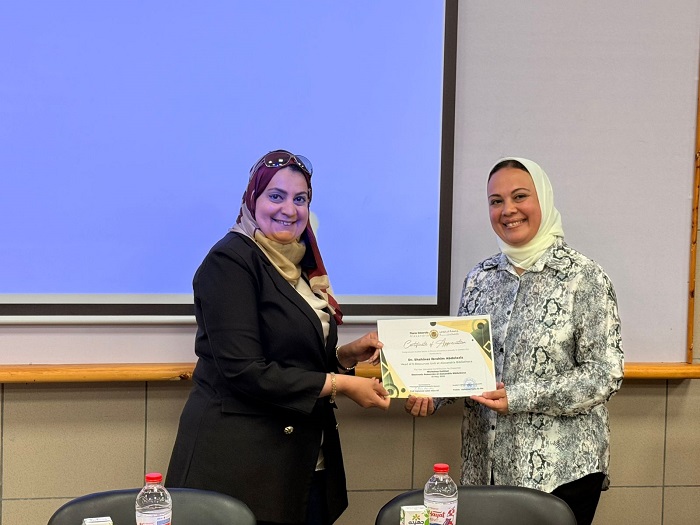
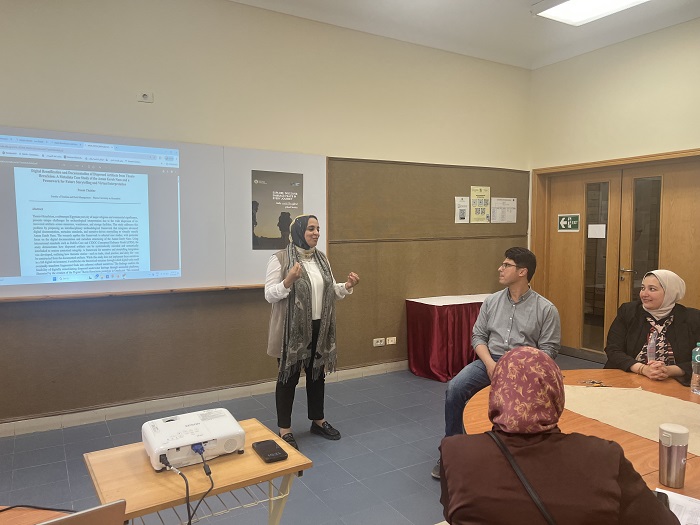
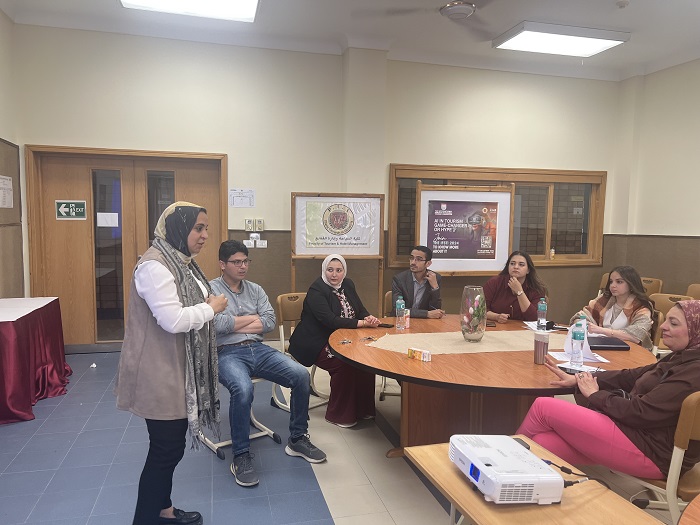
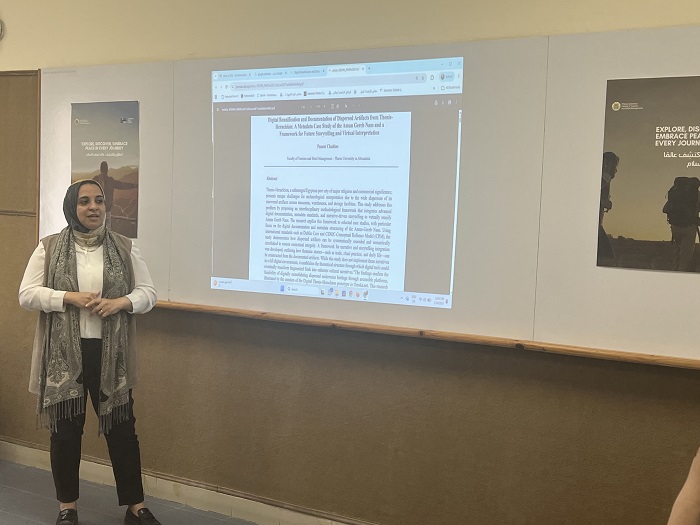
The Postgraduate Studies and Research Committee at PUA’s Faculty of Tourism and Hotel Management, held an extensive scientific seminar to present and discuss the academic research delivered by Dr. Basant Shahin. This event activates the Faculty’s research plan for the 2025-2026 academic year, in the presence of a distinguished group of faculty members and teaching assistants.

During the panel sessions, Dr. Basant Shahin addressed the latest scientific methods in the digital documentation of artifacts discovered in the city of “Thonis-Heracleion,” recognized as one of the most significant sunken cities of ancient Egypt. The researcher presented advanced practical models demonstrating how to utilize 3D digital technologies to reconstruct, reassemble, and precisely link scattered artifact fragments, directly contributing to providing a comprehensive historical picture of the city’s civilization and heritage.

The seminar featured extensive academic exchange and discussions regarding the technical challenges associated with digital data preservation mechanisms and ensuring long-term historical accuracy. Furthermore, it emphasized the centrality of international cooperation and cross-border academic partnerships in safeguarding human heritage and preserving rare antiquities.

A Seminar on Gastronomic Event Loyalty

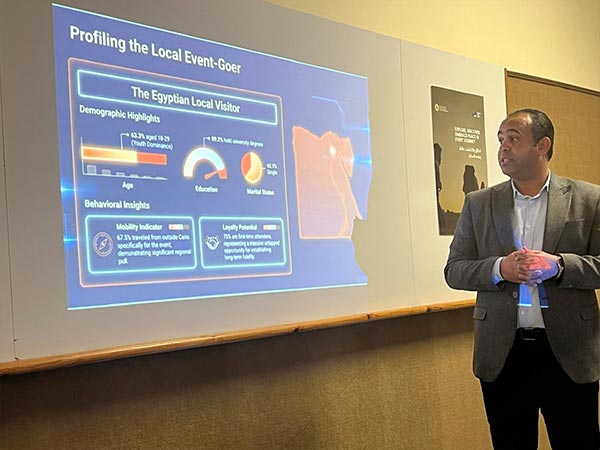
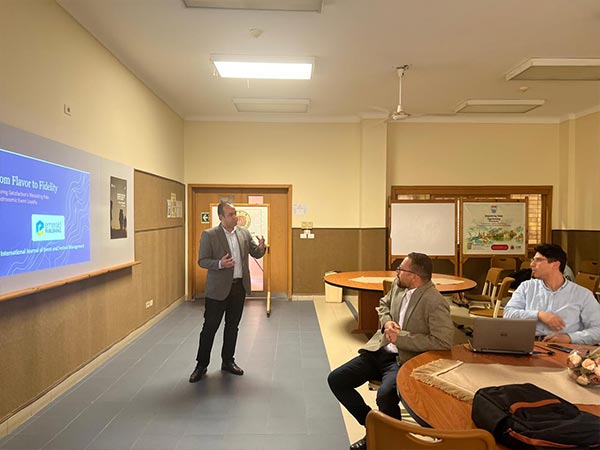
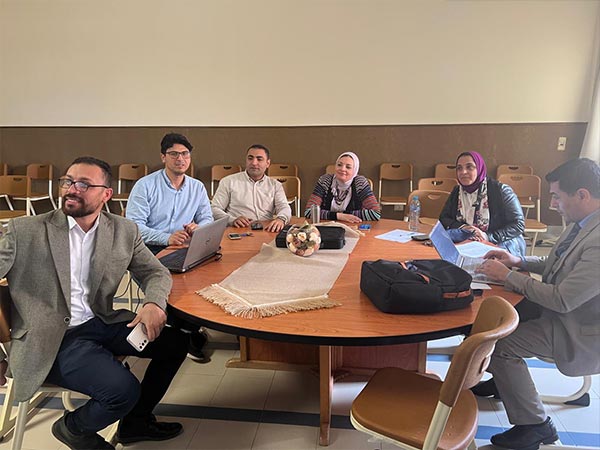
Continuing PUA’s Faculty of Tourism and Hotel Management’s interest in supporting and encouraging scientific research activities and international publication, the Faculty’s Graduate Studies and Scientific Research Committee hosted a seminar presented by Assoc. Prof. Dr. Tamer El-Sawy.

The seminar addressed a published research paper entitled: “From Flavor to Fidelity: Exploring Satisfaction’s Mediating Role in Gastronomic Event Loyalty” The research was published in the International Journal of Event and Festival Management (Emerald Publishing), in collaboration with international researchers from prestigious foreign universities in Spain.

Attendees from faculty members and teaching assistants discussed the research methodology and PLS-SEM model, and results demonstrated that satisfaction plays a strong mediating role between event engagement and loyalty to it, with differences in local visitors’ behavior in Egypt where collective identity and cultural pride predominate.

This study is the first to test these relationships in the context of local gastronomic events in a developing country, presenting an integrated theoretical framework combining theories of: experiential consumption, community attachment, and expectation confirmation/disconfirmation.

Final Recommendations and Proposals

Discussions concluded with the following recommendations:

  • Encouraging international collaboration between faculty researchers and their counterparts abroad, with focus on gastronomic tourism and events fields.
  • Prioritizing publication in Emerald journals and other major international publishing houses, and benefiting from accumulated expertise in data analysis (PLS-SEM).
  • Conducting future studies addressing other tourism sectors (heritage, museums, medical tourism) using the same methodological framework.
  • Developing local gastronomic events based on study findings, with focus on social and cultural dimensions, not just food quality.

PIJTH Releases New Issue

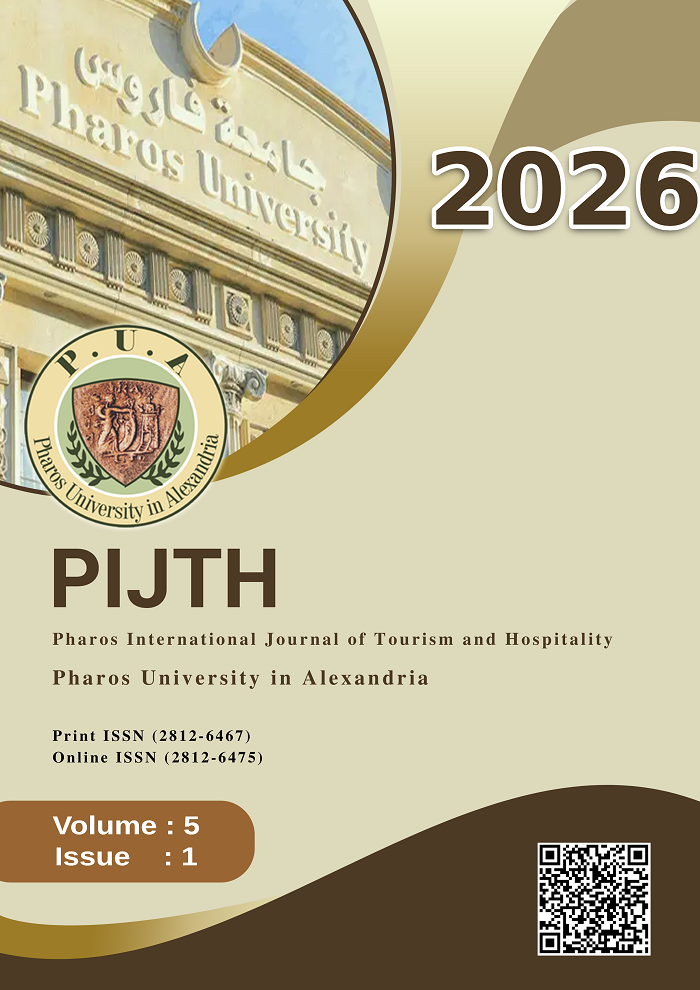
PUA announced the publication of the first issue of Volume Five of the Pharos International Journal of Tourism and Hospitality (PIJTH). This specialized scientific journal aims to publish original research addressing contemporary issues and modern challenges within the tourism and hotel sectors. The latest issue, available via the Egyptian Knowledge Bank (EKB), features a collection of rigorous studies designed to advance academic knowledge and professional practices.

The issue highlights four key studies: the first examines the role of new media literacy and the impact of misinformation on online hotel bookings, while the second presents an integrated model for measuring tourist destination quality across eight dimensions. Furthermore, the issue includes a research project on the “Digital Archiving” of Alexandria’s traditional crafts and local cuisine to preserve intangible cultural heritage, alongside an editorial paper discussing AI-driven smart tourism systems and the vital integration of human and technological elements.

In the opening editorial, the Editor-in-Chief emphasized that this issue serves as a significant scientific contribution to the academic dialogue regarding the future of tourism, praising the efforts of researchers and reviewers. This publication reflects the Faculty’s commitment to supporting scientific production and enhancing PUA’s academic ranking both locally and internationally.

Scientific Research Excellence Competition 2025-2026

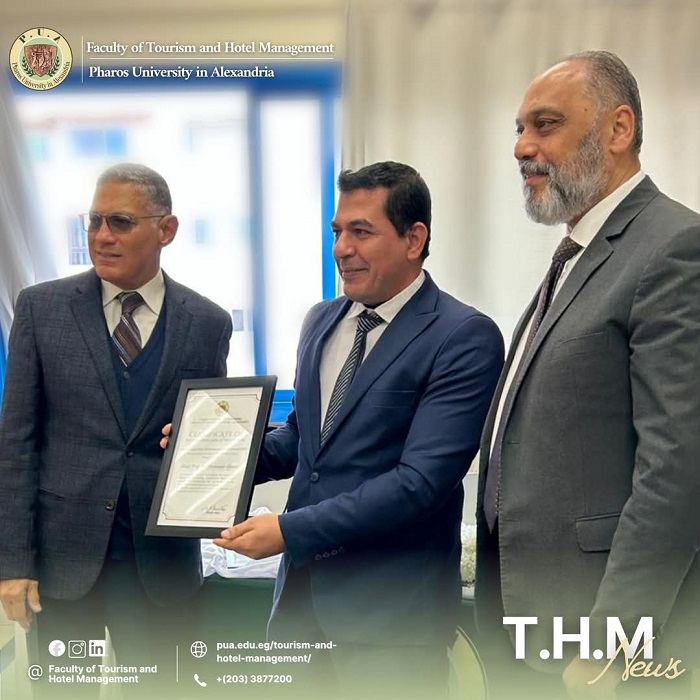
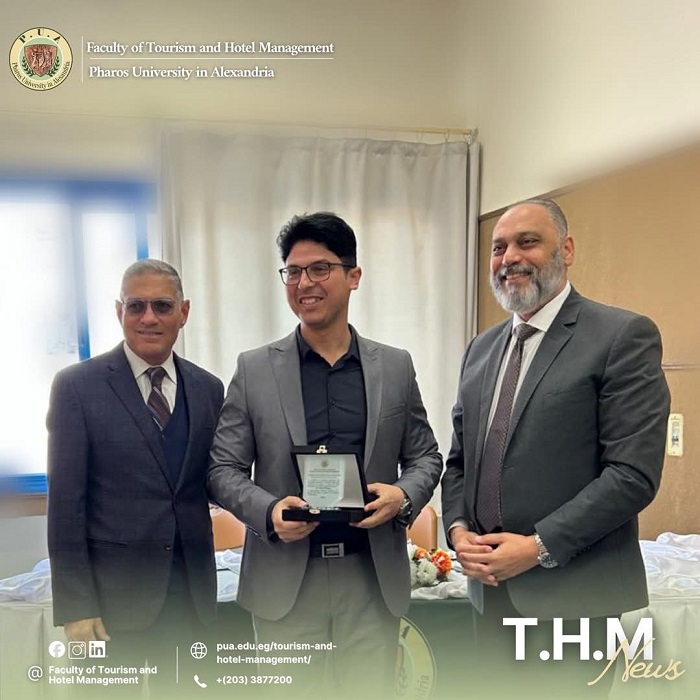
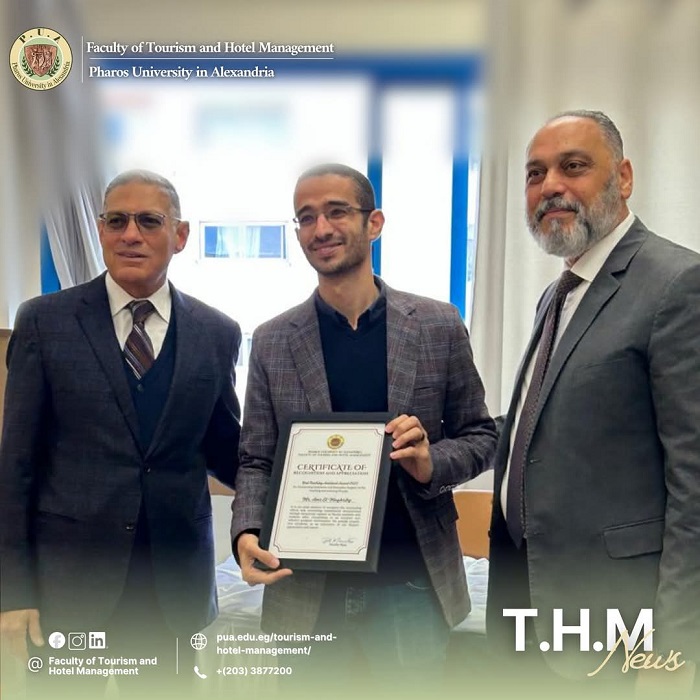
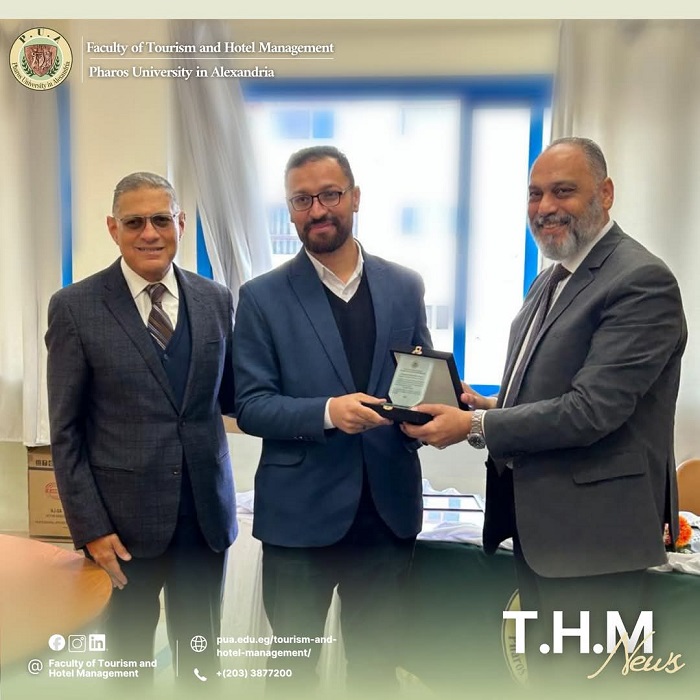
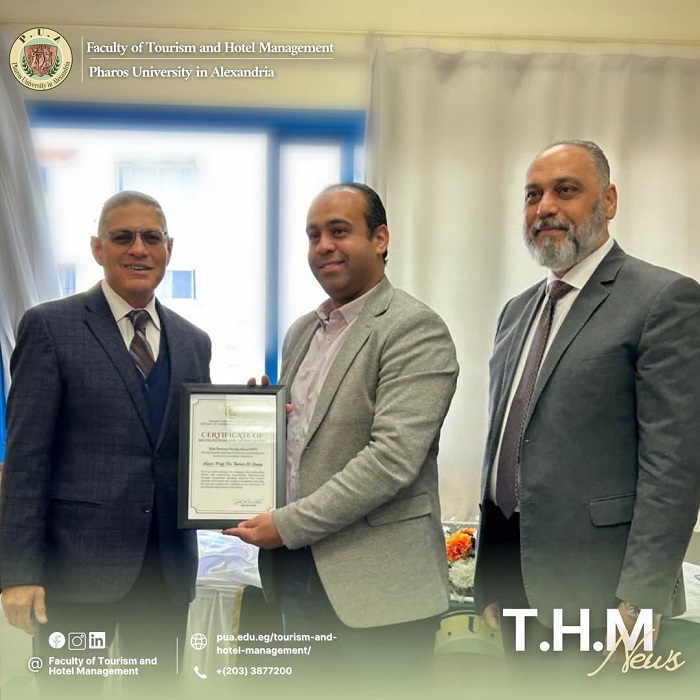
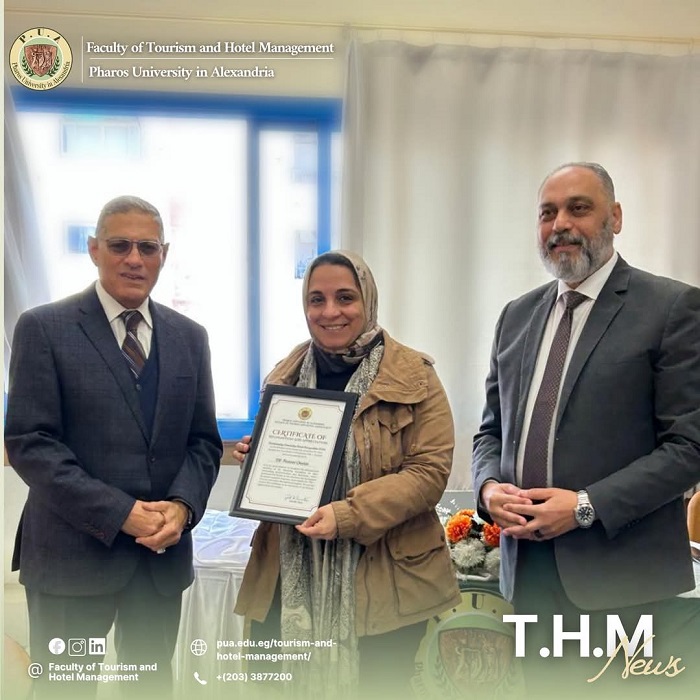
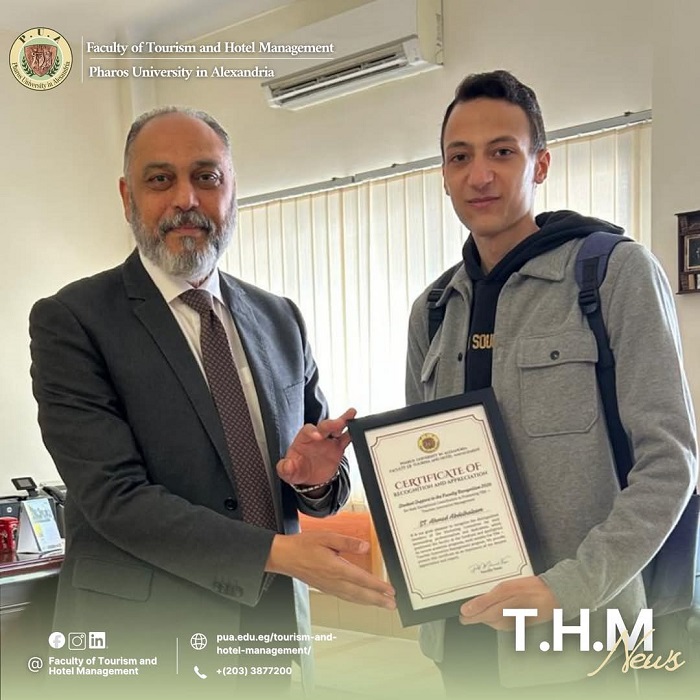
PUA’s Faculty of Tourism and Hotel Management held the 4th Academic Excellence in Scientific Research Competition for the 2025-2026 academic year, in a celebratory ceremony reflecting the Faculty’s deep appreciation for the efforts of its teaching and assistant staff across research, instruction, and community service.

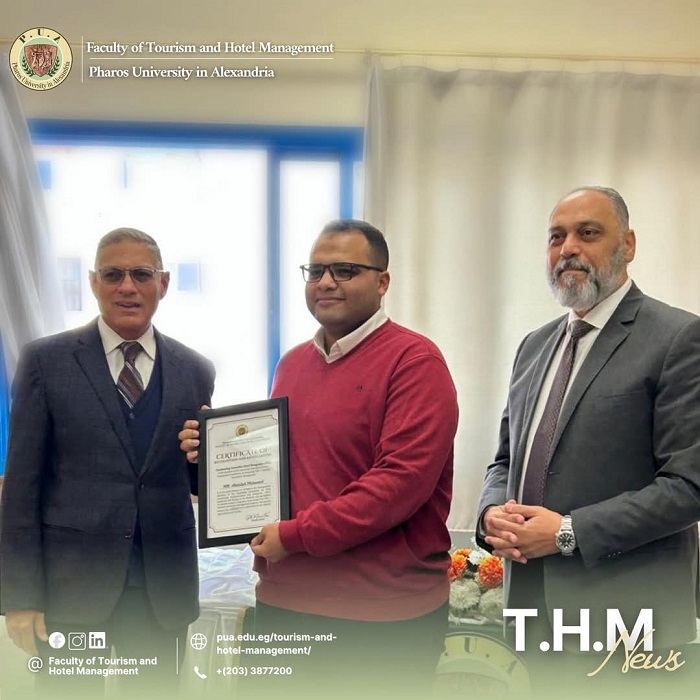
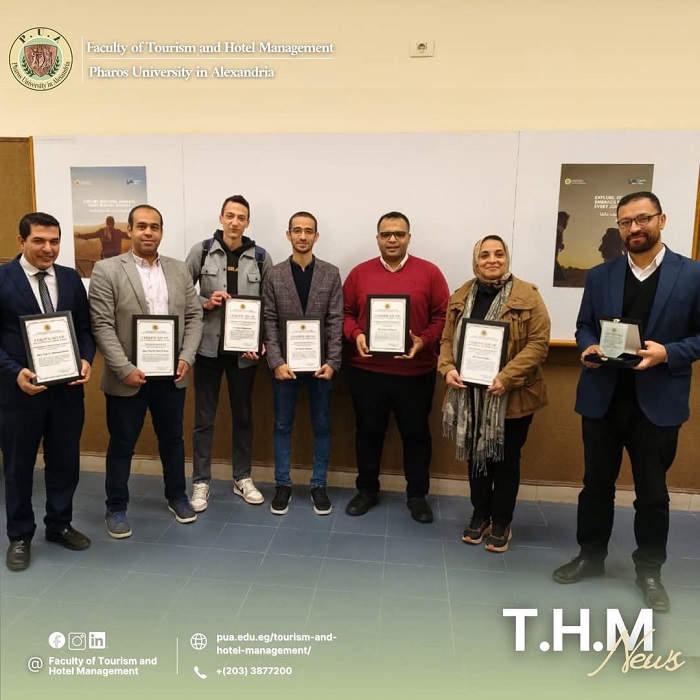
The competition yielded two standout faculty honors: Dr. Ahmed Magdy received the Excellence in Scientific Research and Innovation Award, while Dr. Amr Fouad was named Researcher of the Year — a distinction earned through an impressive output of 16 published research papers over 2025 and 2026. Alongside the main competition, a series of additional awards were presented recognizing outstanding contributions in teaching, community engagement, and institutional work throughout the academic year.

The full list of honors was as follows:

  1. Excellence in Community Participation and Impact Award: Awarded to Assoc. Prof. Dr. Mahmoud Abdel Raouf, in recognition of his sustained contributions to community-oriented research projects in recent years.
  2. Best Faculty Member in Teaching Award: Awarded to Assoc. Prof. Dr. Tamer El-Sawy.
  3. Excellence in Committee Work Award: Presented to Dr. Basant Shaheen, as Head of the Faculty’s Marketing Committee, and to T. A. Abdullah Mohamed, as a committee member, honoring their efforts in boosting the Faculty’s presence across social media platforms.
  4. Best Teaching Assistant Award: Awarded to T. A. Amr El-Maghriby.
  5. Student Support to the Faculty Award: Presented to Ahmed Abdel Halim, a senior student in the Tourism Department.

The competition forms part of the Faculty’s broader strategy to embed a culture of quality and excellence, and to motivate its academic and administrative staff to sustain high-performance standards that positively impact education, research, and community service alike. The event closed with a reaffirmation of the Faculty’s commitment to holding the competition annually, fostering an academic environment that champions creativity and innovation in pursuit of its institutional excellence vision.

Academic Excellence: PESJ Achieves Top Rank

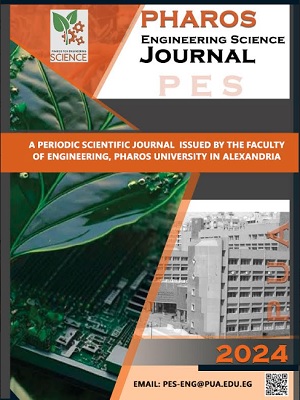
In a landmark achievement for scientific research, the Pharos Engineering Science Journal (PESJ) has been awarded a score of (7/7) by the Supreme Council of Universities (SCU) for the year 2025. This represents the highest official ranking attainable for domestic scientific journals in Egypt.

Prof. Dr. Mahmoud Mohy El-Din, PUA’s President, emphasized that this milestone reflects the superior quality of the published research and its contribution to the engineering community. Prof. Dr. Mohamed Gaber Abu Ali, Vice President for Postgraduate Studies and Research, noted that this ranking solidifies the journal’s commitment to rigorous peer-review and publishing ethics. He extended his appreciation to Prof. Dr. Mohamed Naim, Dean of the Faculty of Engineering, along with the editorial board and researchers for their tireless efforts.
Since its inception, the journal has successfully published three issues (Sept 2024 – Dec 2025) and is currently accepting submissions for its 4th issue of 2026 via its official website: pesj.journals.ekb.eg.

Research Ethics Committee Holds Inaugural Meeting 2025/2026

In a significant move reflecting PUA’s commitment to international scientific integrity standards, the Research Ethics Committee (REC) held its first meeting under its new independent structure for the 2025/2026 academic year. This transition highlights the committee’s autonomy in research evaluation, moving away from its previous format where meetings were held on the sidelines of the Graduate Studies Council.

The meeting was chaired by Prof. Dr. Mohamed Gaber Abu Ali, Vice President for Postgraduate Studies and Research, with the attendance of the committee chair, rapporteur, and coordinators from various faculties. The session involved a rigorous review of research proposals from the faculties of Pharmacy, Dentistry, Applied Health Sciences Technology, Tourism and Hotel Management, among others. Crucial decisions were made regarding ethical approvals for clinical and non-clinical studies, with a strict emphasis on confidentiality protocols and the prevention of conflicts of interest.

Furthermore, the committee reviewed the outcomes of previous ethical compliance workshops and approved a plan for additional training sessions to enhance members’ expertise in evaluating complex research proposals. This new era for the REC underscores PUA’s dedication to fostering a robust research environment that protects participant rights and elevates the quality of the university’s scientific output to meet global benchmarks.

Art and Design’s Research Innovation Day

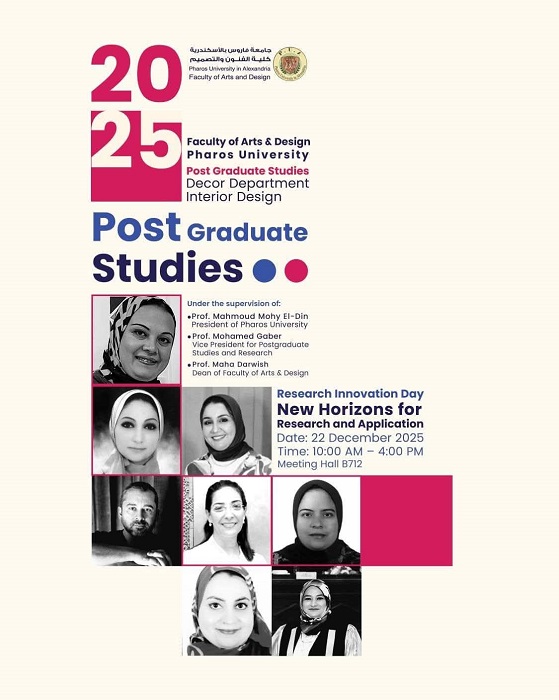
Driven by its vision to activate the role of scientific research as a fundamental tool for community service and professional advancement, PUA’s Faculty of Arts and design organized its “Research Innovation Day.” This event emphasizes the commitment to bridging the gap between academic studies and the practical needs of the field. It aims to encourage postgraduate students to engage with contemporary research topics that intersect with labor market demands and modern global trends, ensuring they stay abreast of rapid developments in arts and design innovation.

In addition, this research day serves as a prominent interactive platform for dialogue and the exchange of expertise between faculty members and researchers. Its primary goal is to establish a comprehensive strategic research roadmap for the faculty, guiding Master’s and PhD theses toward innovative and renewable pathways. By focusing on applied research, the faculty ensures that its academic output provides creative design solutions, further solidifying its position as a center of research excellence that blends artistic authenticity with modern technical solutions.

First Scientific Research Day

In line with PUAs’ Postgraduate Studies and Research Sector’s commitment to supporting nascent researchers from within the university, the sector organized the “First Scientific Research Day”. The event saw distinguished participation from senior students, postgraduate students, and teaching assistants, aiming to foster innovation and encourage scientific research.

Participants presented their research in the form of presentations, prototypes of graduation projects, and posters, reflecting the students’ efforts across various fields.

Students from the Faculties of Dentistry, Engineering, Physical Therapy, Applied Health Sciences Technology, Arts and Design, and Computer Sciences and Artificial Intelligence took part in this event. The event featured a competition among 28 presentations, 6 graduation projects and prototypes, and 7 posters, totaling 41 participations, highlighting the university’s diverse research activity.
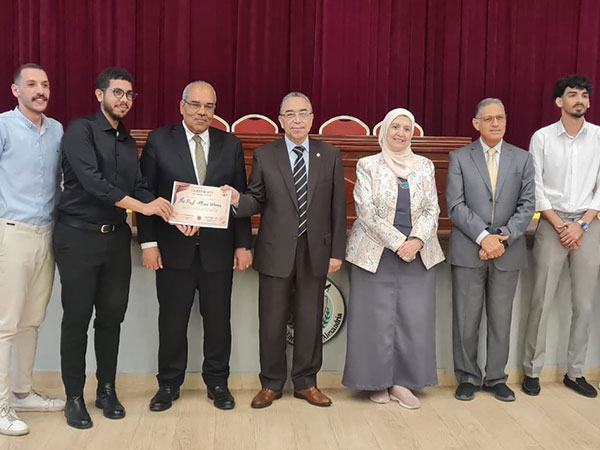
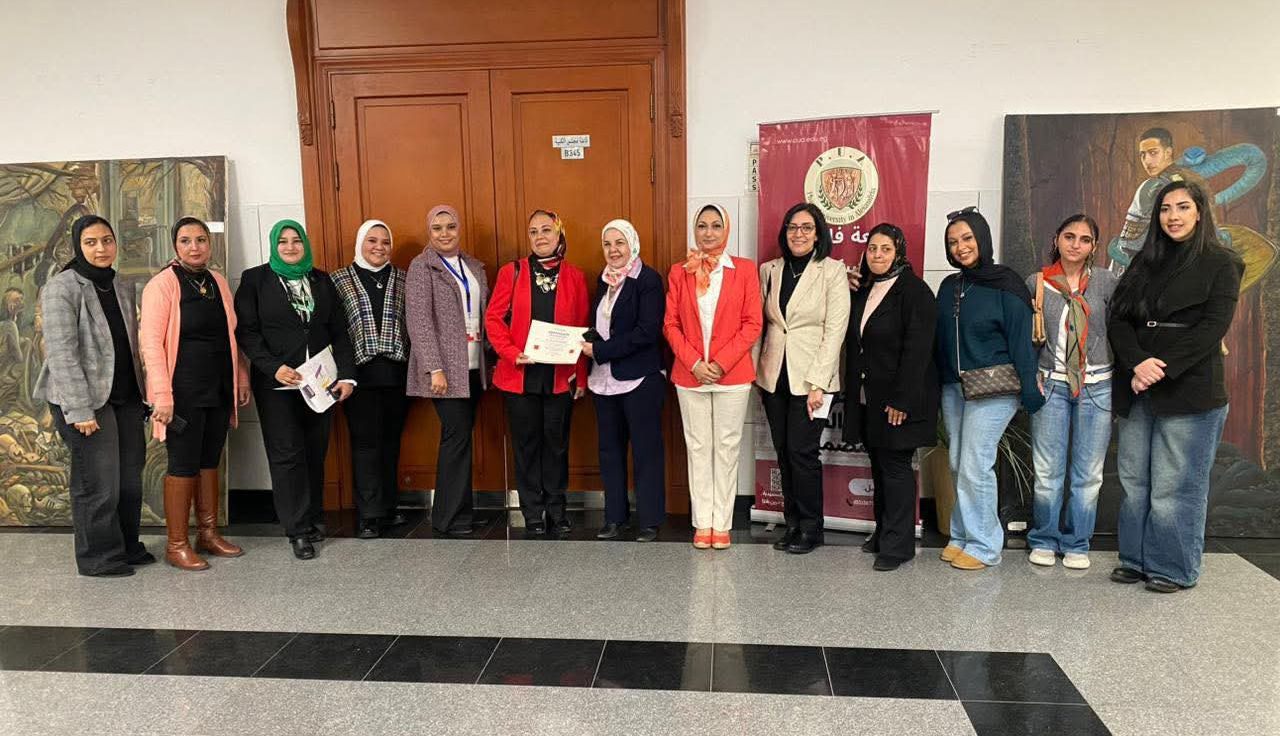
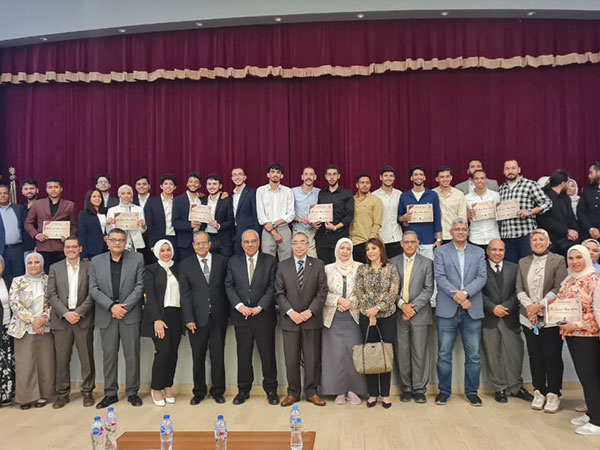
A selection process took place among the participants, and certificates were awarded to the first-place winners. A host of university senior officials, deans of faculties, faculty members, and teaching assistants attended the event, underscoring institutional support for scientific research and appreciation for student achievements.

Nanotechnology Seminar

PUA’s Postgraduate Studies and Research Department held a scientific seminar on interdisciplinary nanotechnology research. Numerous PUA senior and junior researchers, whether students, graduates or field experts totaling 75 researchers, eagerly participated in the event. During the seminar, an overview on the field was given through general and specialized presentations. In addition, the gathering of PUA’s junior and senior researchers has served as a hub where they could enhance knowledge, exchange experiences, and increase scientific cooperation in this field.

EUMMAS A2S Conference on Global Social and Technological Development and Sustainability, Bucharest 2024, Romania

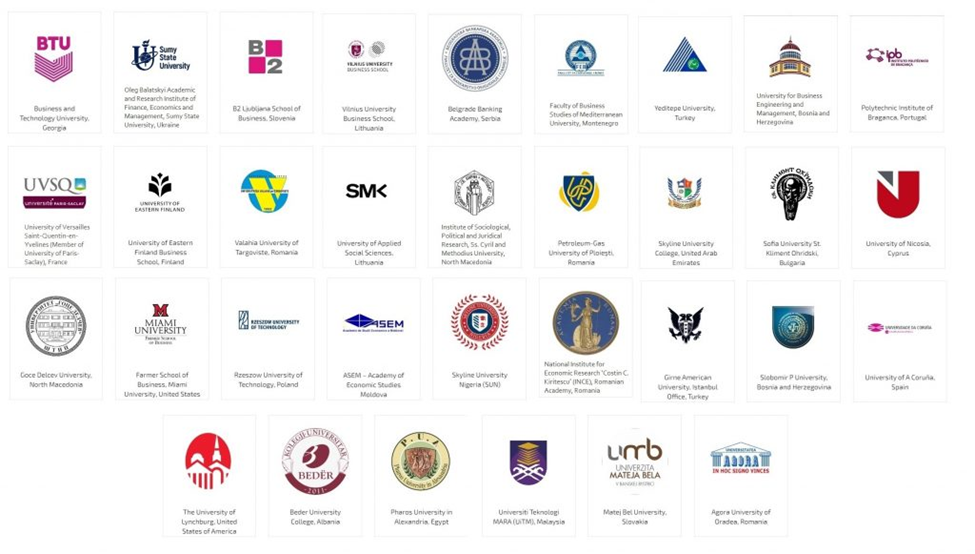
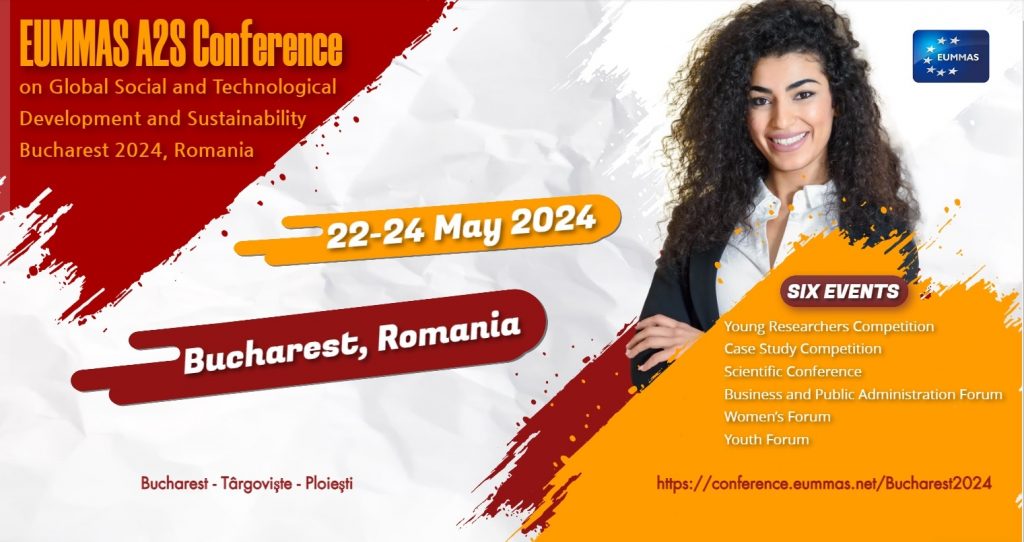
We are pleased to announce that our institution, as a member of the EUMMAS Academic Consortium, is organizing the EUMMAS A2S Conference on Global Social and Technological Development and Sustainability in Bucharest, 22-24 May 2024. The event is going to be organized as an Academe2Society (A2S) EUMMAS Concept Conference formulating a unique and innovative approach to cooperation between Academia and Society. EUMMAS Bucharest 2024 Conference theme is “Navigating the New Frontier: Responsible Innovation, Circular Economy, and Digitalization of Business and Public Administration Sectors in the Era of AI and Big Data”.
 Host institutions

  • Valahia University from Targoviste
  • Petroleum-Gas University of Ploiești
  • Romanian Academy
  • RebResNet Association
  • Prahova Chamber of Commerce

Conference organizer – EUMMAS Academic Consortium Institutions


Conference webpage: https://conference.eummas.net/bucharest2024